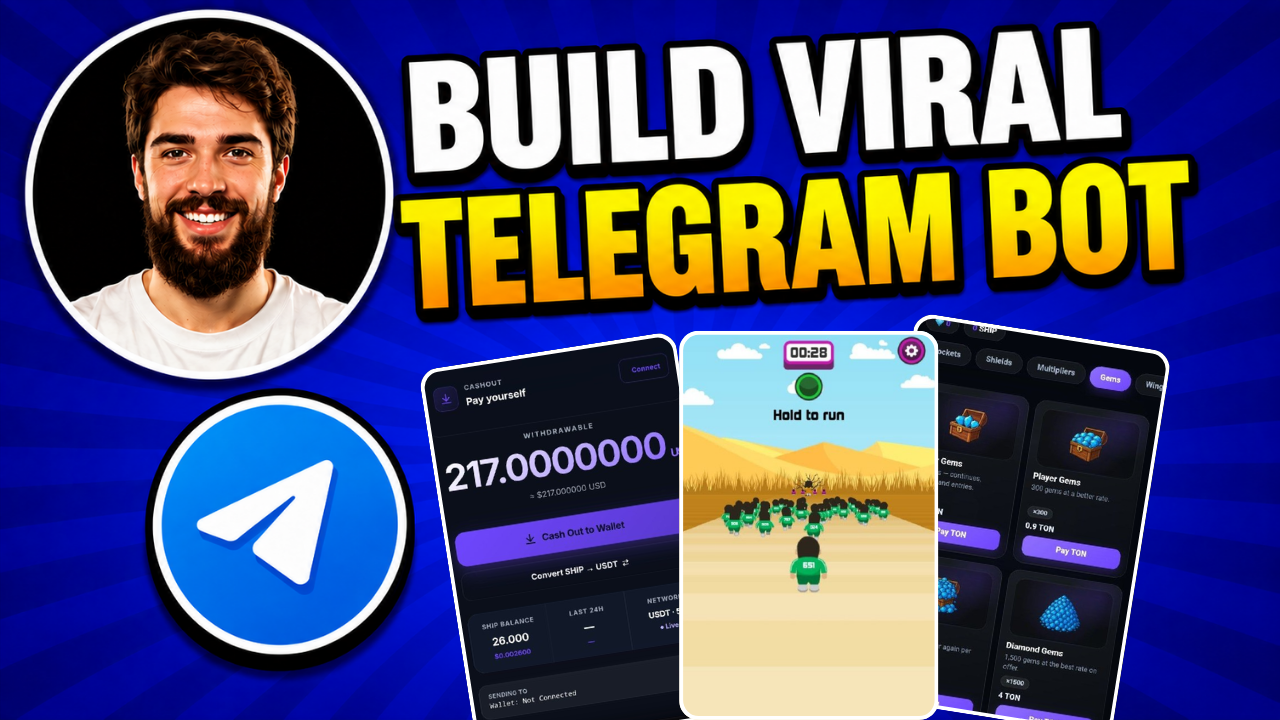
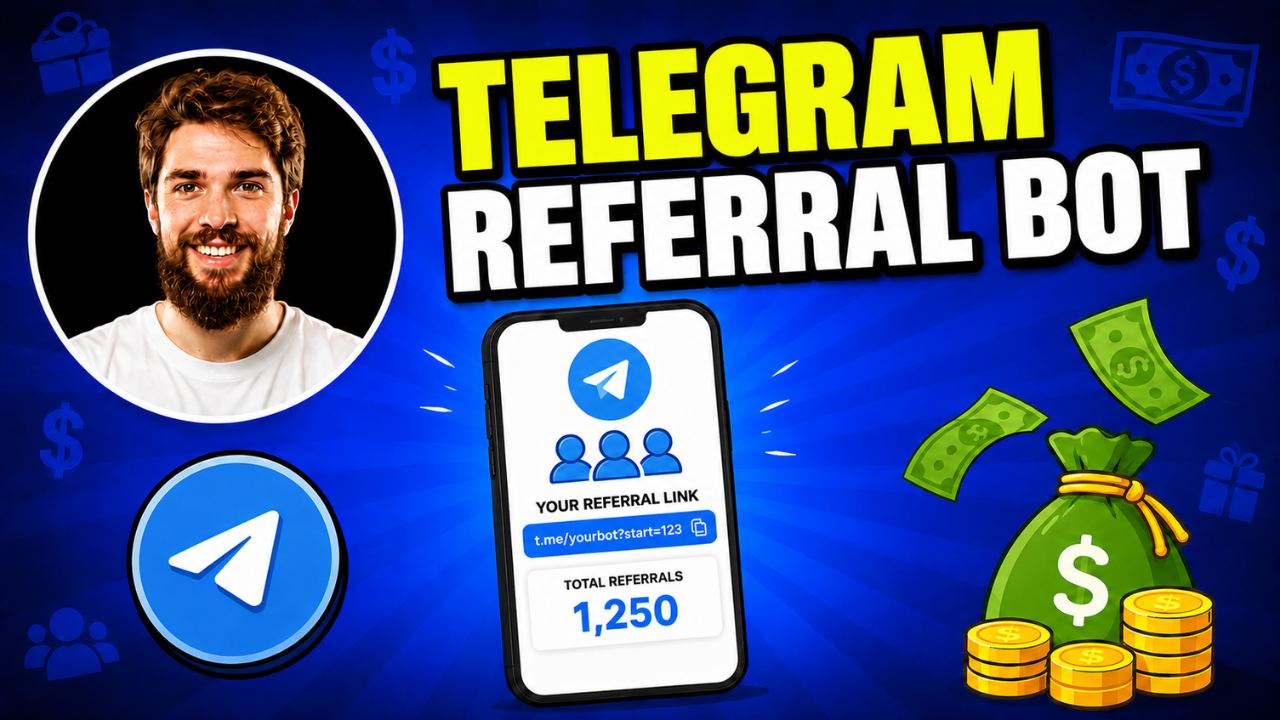
The honest answer: every tap-to-earn clone listing promises the same three things — launch fast, fully customisable, contact us for a quote. Almost none tell you what the software has to do, what it costs, or what you own at the end. Here are those answers.
What a tap-to-earn game actually is
The loop is deliberately simple: a player taps, earns a balance, spends it on upgrades that raise the earn rate, and returns tomorrow because energy refilled. Notcoin proved the format, Hamster Kombat scaled it to tens of millions of users, and every clone since runs the same four beats.
| Loop stage | What the player does | What it is really for |
|---|---|---|
| Tap | Earns balance per tap until energy runs out | Gives an instant reward with no learning curve |
| Earn | Watches a number rise | Builds a balance they do not want to abandon |
| Upgrade | Spends balance to earn faster | Converts idle balance into a reason to keep playing |
| Return | Comes back when energy refills | The retention mechanic — the only one that matters |
What makes it work is not the tapping. It is that the whole thing lives inside Telegram: no app store, no install, no signup. A user goes from a forwarded link to playing in about four seconds. That is the entire advantage, and it is why the format keeps being copied.
The parts that are actually hard
The tapping is a weekend of work. These four decide whether the project survives contact with real users — and they are the parts clone listings mention least.
Scoring has to happen on the server
If the client tells the server how many taps happened, someone will tell it a million. Every score must be validated server-side against a taps-per-second ceiling a human hand cannot exceed. Get this wrong and the leaderboard fills with impossible numbers within days, honest players leave, and the economy you built the whole thing around is worthless.
Energy is the token supply, not a UI detail
Refill rate, energy cap and upgrade costs together decide how fast currency enters the game. Those numbers must be editable from an admin panel rather than compiled into the client, because you will change them in the first week and again in the second.
Withdrawals are where projects die
Paying real crypto means holding a hot wallet, signing transactions, handling failures, and surviving ten thousand simultaneous withdrawals. The private key has to be encrypted at rest, and payout batching has to be idempotent — otherwise a retry pays someone twice. This is the most expensive part to build correctly.
The three ways to get one
| Route | Realistic timeline | What you own | Best when |
|---|---|---|---|
| Build from scratch | 2–4 months, one full-stack dev | Everything | The mechanic itself is your differentiator |
| Hire an agency | 6–12 weeks after a discovery call | Depends entirely on the contract | You need something genuinely bespoke |
| Buy the source code | Same day | The full codebase, if it is unobfuscated | You want the proven loop and will adapt it |
Search this term and page one is ten development agencies. Almost none publish a price; the pattern is a discovery call, a proposal somewhere between five and forty thousand dollars, and six to twelve weeks. For a genuinely bespoke product that can be money well spent. The problem is that a tap-to-earn clone is not bespoke — the loop, energy system, referral tree and payout pipeline are the same in every one of these projects. You are commissioning a custom build of something built hundreds of times.
What to check before you buy any clone
| 1 | Is the source unobfuscated? Encoded files mean you cannot fix a bug at 2am, and you are permanently dependent on the seller. |
| 2 | Where do withdrawals go from? Payouts must run from a wallet you control, with the key encrypted at rest — not routed through the vendor. |
| 3 | Is scoring server-side? Ask directly. If the answer is vague, the answer is no. |
| 4 | Can you change the economy without a redeploy? Reward rates, energy caps and referral tiers belong in an admin panel, not in the code. |
| 5 | What does it need to run? A stack needing Docker, Redis and a build step costs more to host than one that runs on ordinary shared hosting. |
| 6 | Are updates included? Telegram changes its Mini App platform regularly. Code frozen at purchase date ages badly. |
What ShipWeb3 sells here
The Full Telegram Crypto Play-to-Earn Mini App is the complete engine: the tap loop, energy and upgrades, multi-level referrals with fraud scoring, daily check-in, leaderboards, an in-app store, support tickets, and BEP-20 USDT withdrawals from a wallet you own with the key encrypted at rest. Scoring is server-authoritative with a points-per-second ceiling. A five-step web installer and one cron line get it running on ordinary shared hosting — no build step, no container.
One-time purchase, full unobfuscated source, free lifetime updates, and the price is on the page. If you would rather not deploy it yourself we will build and deploy it for an optional fee — but the code is yours either way. If you want the arcade format instead, the game build ships with a weekly tournament and booster shop, and the rest of the catalogue covers mining, referrals and USDT payouts separately.
Common questions
Skip the discovery call The full tap-to-earn engine, priced on the page. Instant download, unobfuscated source, lifetime updates. See the play-to-earn app |